15 min read
e-signatures
Future of agreements
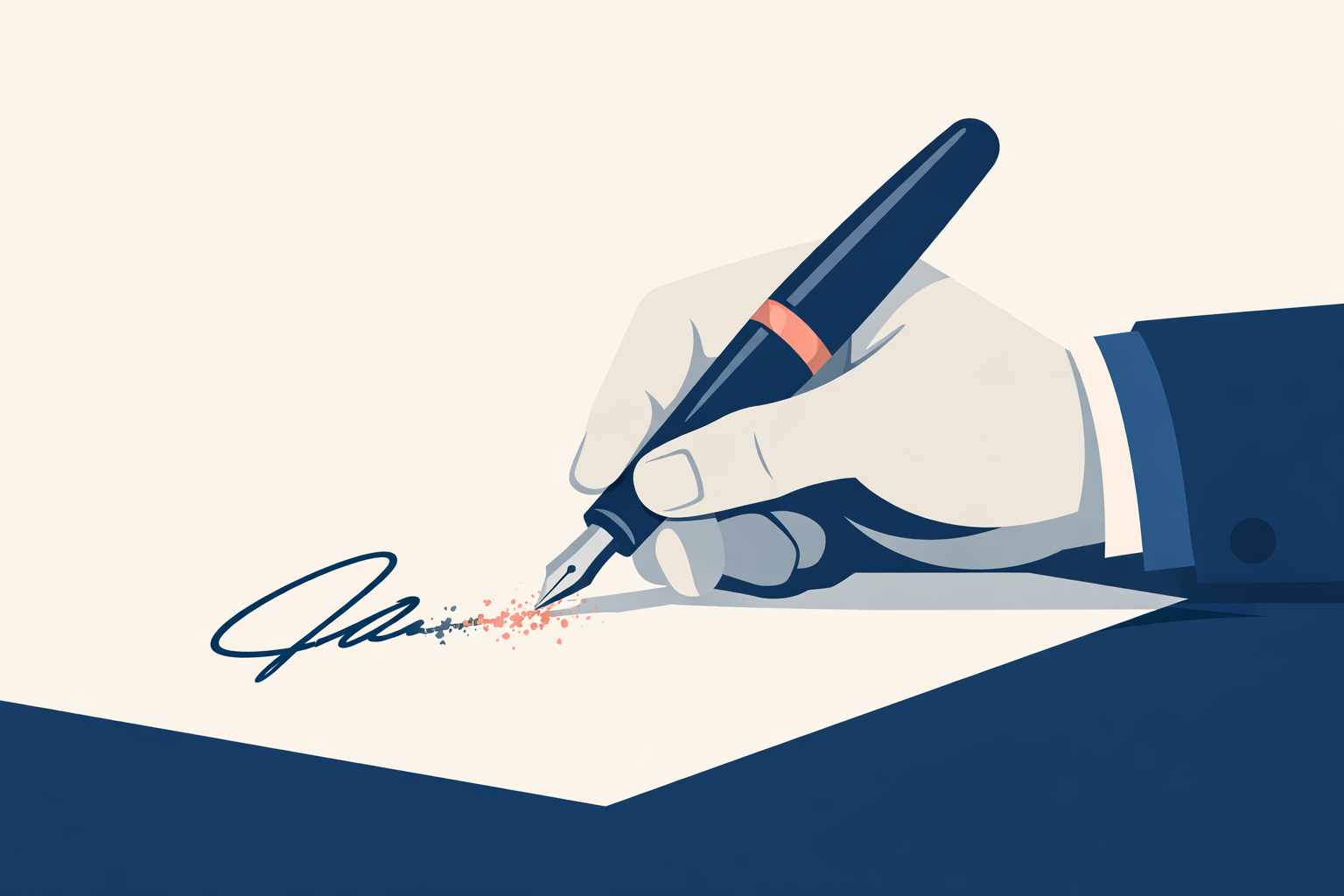
The signature did not begin as proof of understanding. It began as proof of identity — a way of demonstrating that a specific person made a commitment, rather than an imposter acting in their name.
In ancient times this was handled through seals: Mesopotamian clay tablets, Egyptian stone seals, Roman wax and signet rings. The principle was consistent across all of them — the mark is unique to me, and if you see this mark, you know I was here. The handwritten signature that became standard in medieval Europe continued that idea, with a person's unique handwriting standing in for the seal. Our history of agreements traces this progression in more detail.
What signatures were never designed to prove is what gets overlooked:
That the signer read the document
That the signer understood it
That they were not under duress
That they had adequate time to consider
That the information was presented in a way they could comprehend
Every mechanism bolted onto signatures since — initials, witnesses, notarisation, IP addresses — is a response to the gaps left by a tool that was only ever designed to answer one narrow question: was this person present? Every other question the modern legal and regulatory environment asks of signatures is one the signature was never built to answer.
Much of what we do around signatures is ritual rather than verification. The distinction matters because rituals persist long after the logic behind them has stopped applying.
In medieval England, most people could not write their names, so agreements were sealed with wax stamps. As literacy grew, signatures replaced seals, but the underlying purpose remained the same — it was not about reading the words, it was about performing an act that society agreed would carry legal weight. That ceremonial quality never left. Today we still insist on blue ink, require witnesses at signings nobody will ever check, and demand physical signatures on documents where a typed name would be equally valid in law.
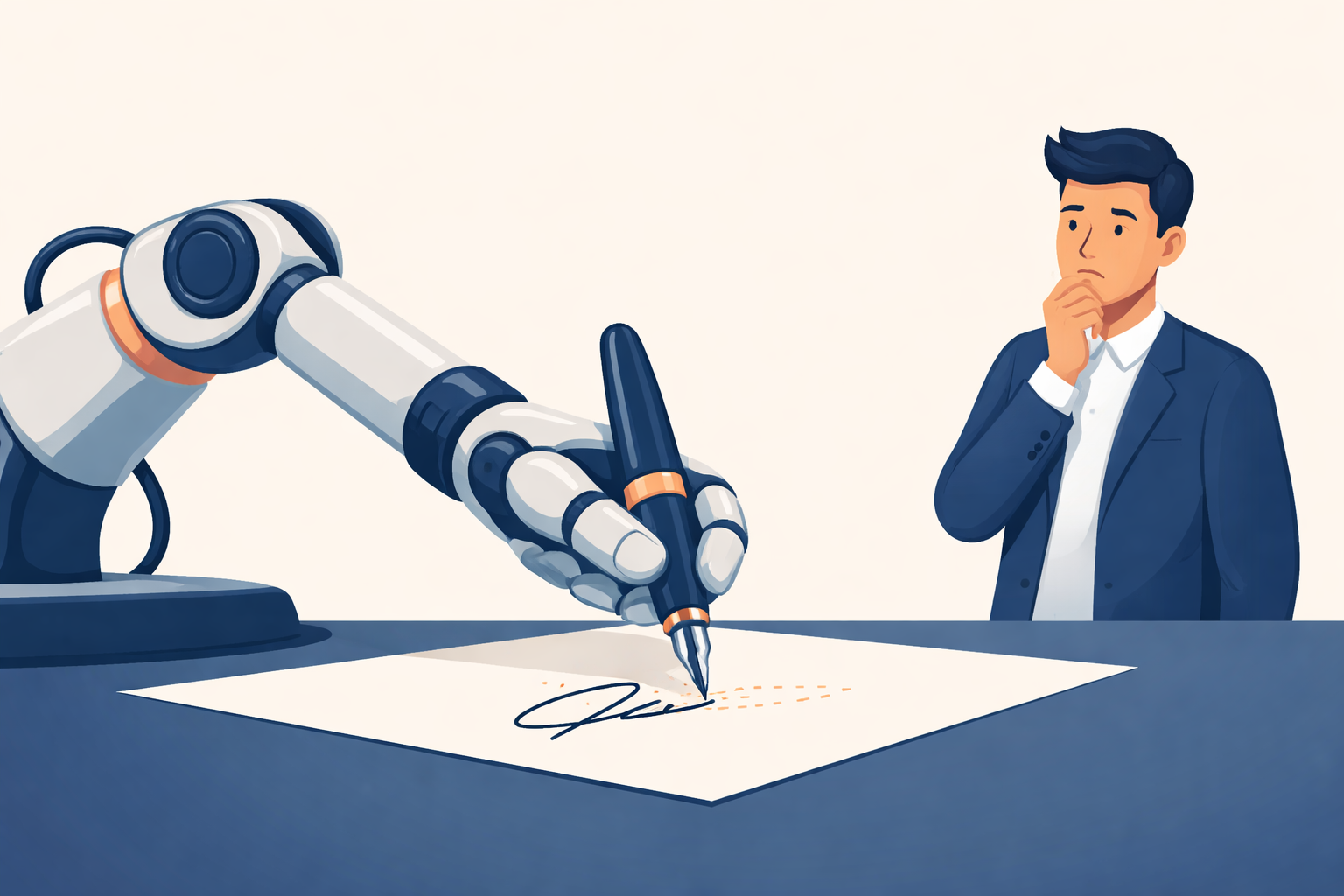
The autopen debate is perhaps the sharpest illustration of how far this has drifted from reality. An autopen is a machine that holds a real pen and replicates a person's signature in real ink. Trump argued that pardons signed using Biden's autopen were invalid because Biden had not personally held the pen. Think about what that argument reveals. A rubber stamp with your name on it — not acceptable. A machine that physically moves a real pen to copy your signature — apparently, that satisfies the requirement.
The logic has nothing to do with whether the person intended to sign or understood what they were signing. It has everything to do with performing the correct physical ritual. The pen must move. The mark must be drawn. The ceremony must be observed, even if a robot is performing it on your behalf. As our analysis of signing rituals explores, we have built an entire cathedral of process around a broken idea — and still none of it addresses whether the person who signed understood what they were agreeing to.
When 91% of people accept terms without reading a word and 68% either do not read contracts or do not understand them fully, the ritual is no longer marking genuine agreement. It is replacing it.
Each attempt to patch the signature model has introduced its own version of the same flaw. Here is how each mechanism fails on its own terms.
Initials on each page were introduced to prevent a party from claiming they never saw certain pages of a contract. The reasoning was that if every page carries the signer's mark, they cannot later deny having been presented with its content.

But initialling a page proves exactly the same thing as signing the last one: that a person was present and made a mark. It does not prove the page was read. It does not prove the content was understood. In a 2023 UK survey, 68% of people admitted they do not read contracts or do not understand them fully. Requiring their initials on each page does not change that behaviour. As our breakdown of broken contract assumptions shows, the initials convention doubles down on the same weak proof rather than replacing it with a stronger one.
A witness is supposed to confirm that the person signing is who they claim to be and that they signed willingly. In practice:

Witnesses are typically whoever happens to be nearby — a colleague, a family member
They are not required to have read the document
They are not required to check the signer's identity against any official documentation
In many electronic workflows, the witness function is a checkbox anyone with access to the device can tick
The witness's own identity is subject to exactly the same verification problem as the signer's. Who verifies the witness? Nobody. As legal guidance on witnesses confirms, a witness is only required to observe. That is a thin layer of assurance being asked to carry a great deal of weight.
Notarisation does address this more seriously by requiring a qualified, independent official. But notarisation is rare in everyday commercial agreements for obvious reasons of cost and practicality. For the vast majority of contracts signed in the UK — client care letters, financial service agreements, employment contracts — the witness requirement, where it exists at all, is a ceremonial gesture toward verification rather than a genuine check.
Handwriting analysis as identity verification assumed a person's signature was consistent and unique enough that a forgery would be detectable. In practice, most people's signatures vary significantly from one signing to the next, and in almost all commercial transactions, nobody performs any comparison. The signature is received, filed, and never examined unless a dispute arises.
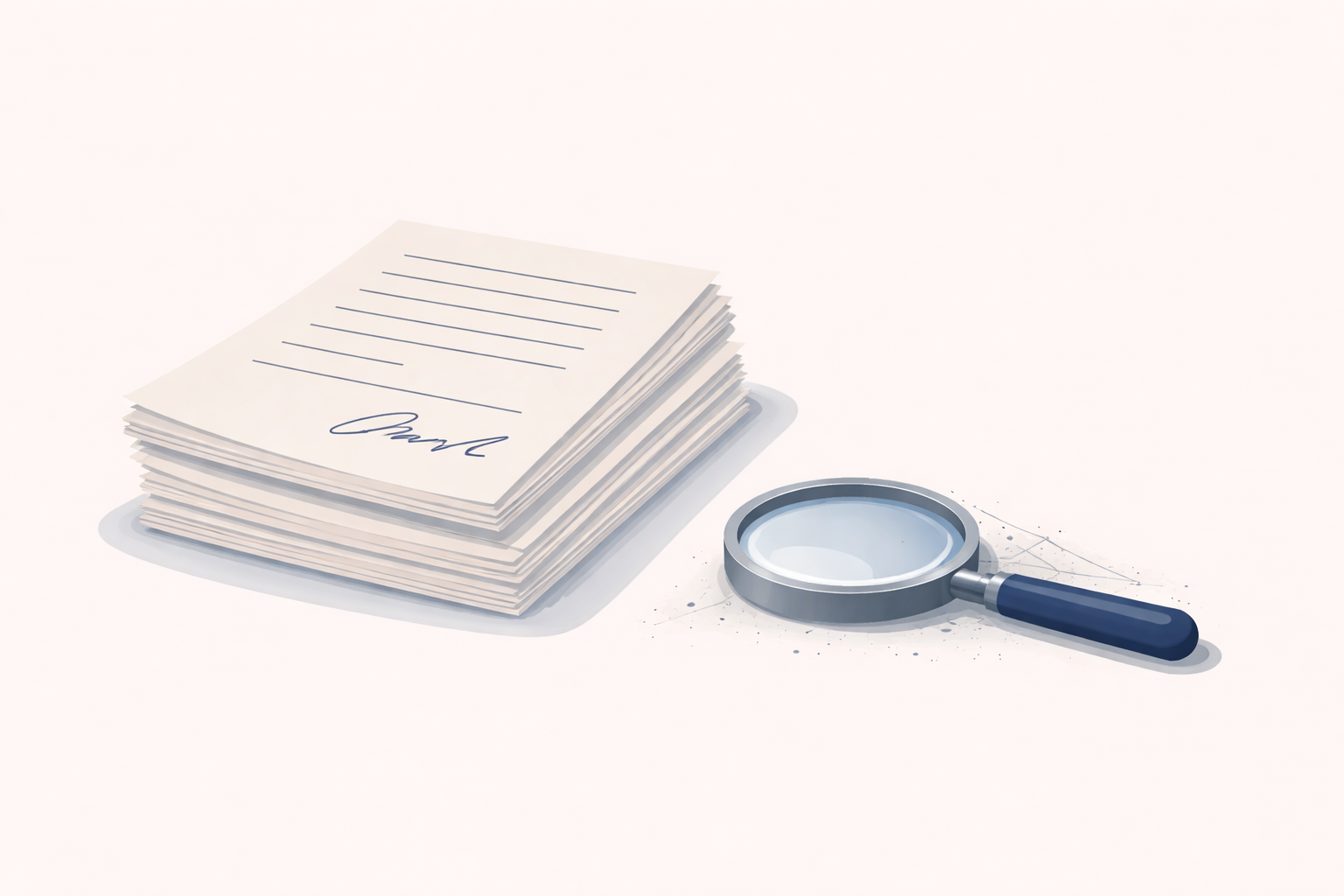
Electronic signatures made this worse. Many platforms allow users to generate a typed or stylised signature — a font rendering that bears no relationship to how they actually write — or upload a signature image that can be saved, copied and reapplied to any document. DocuSign's own data shows 44% of agreements are completed within 15 minutes. The uniqueness and difficulty of replication that originally justified treating a signature as meaningful has been almost entirely eroded.
Most e-signature platforms use a combination of email delivery and IP address logging to establish identity. Both are weak:

An IP address identifies a network, not a person. Everyone in a shared office has the same IP address.
VPNs mask IP addresses entirely. A person in Manchester signing through a VPN logs an IP from somewhere else, potentially another country.
An email link sent to an address can be accessed by anyone who has access to that inbox.
Some platforms have introduced stronger verification — selfie matching, passport checks, mobile OTP. But these are optional add-ons, not defaults. The majority of documents signed through mainstream platforms still rely primarily on email access and IP address as their identity evidence.
Digital contracts made signing frictionless. What once required printing, reading and physically signing became a matter of scrolling and clicking. Businesses responded by adding more checkboxes. In one famous experiment, an online retailer hid a clause in their terms claiming the purchaser's immortal soul. Seven thousand five hundred customers agreed without noticing. In another, a software company hid a £1,000 prize offer in their end-user licence. It took four months and more than 3,000 downloads before anyone found it.

More checkboxes do not produce more comprehension. They produce more clicking. As our breakdown of modern contract assumptions puts it, tick boxes add friction without adding enlightenment. The record shows a user clicked a box at 3:45pm. It does not show they understood what that box was about.
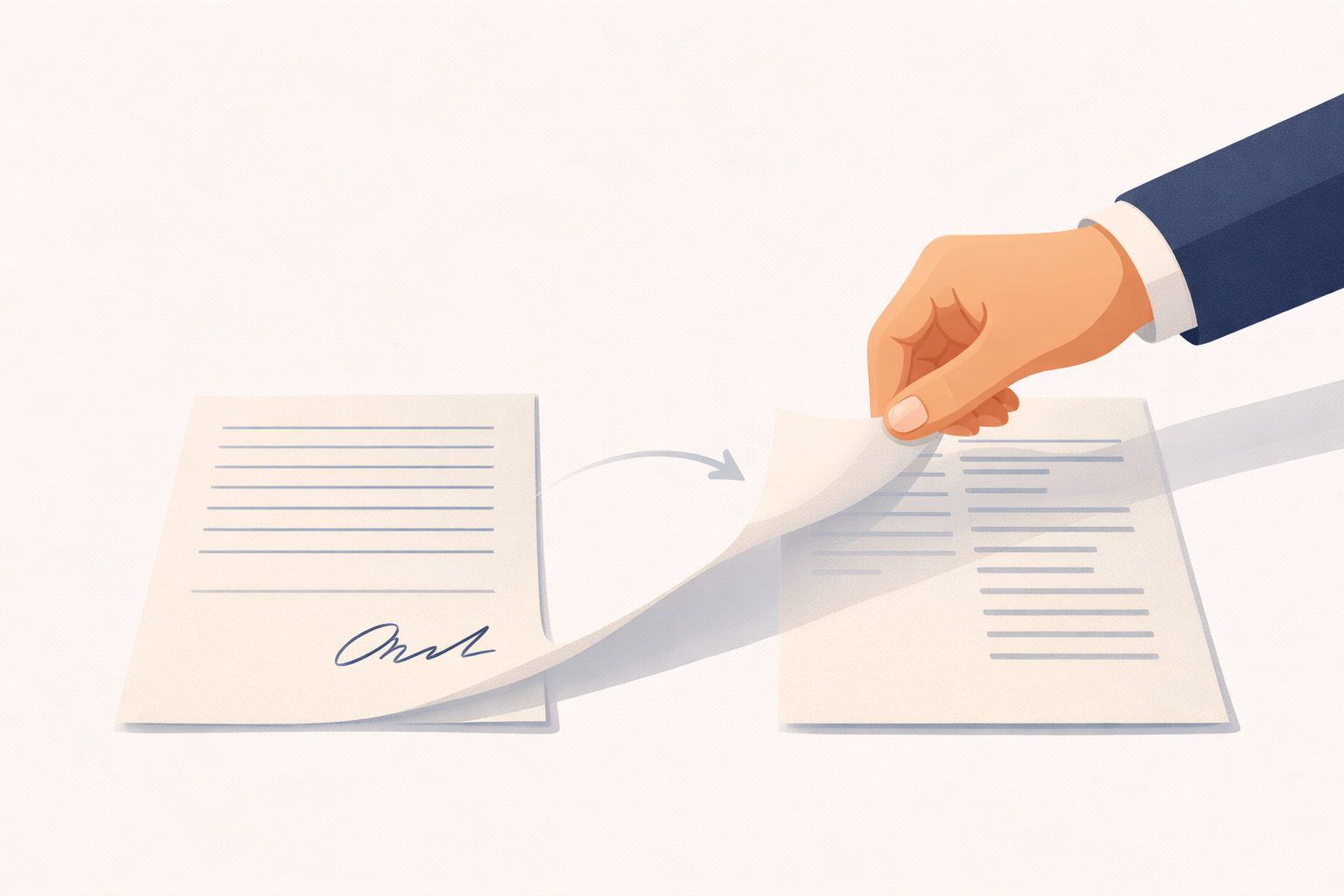
A signature at the bottom of a final page does not prove anything about the content of the preceding pages. Pages can be substituted. Content can be altered. A signature page can be detached from one agreement and attached to another. In Yodel v Corlett (2025), the High Court found that documents in a £100 million claim had been manipulated — pages backdated, substituted and witness signatures forged. All of this on documents that bore signatures.
In basic electronic implementations, the signature is an overlay on the document rather than a cryptographic binding to its specific content. The document can be altered without the signature being visibly invalidated.
 i agree ties the consent record to the substance of the specific terms being agreed to. The voice confirmation references those terms directly. It cannot be detached and reapplied to a different document. The audit trail captures the full context of what was shown, said and confirmed.
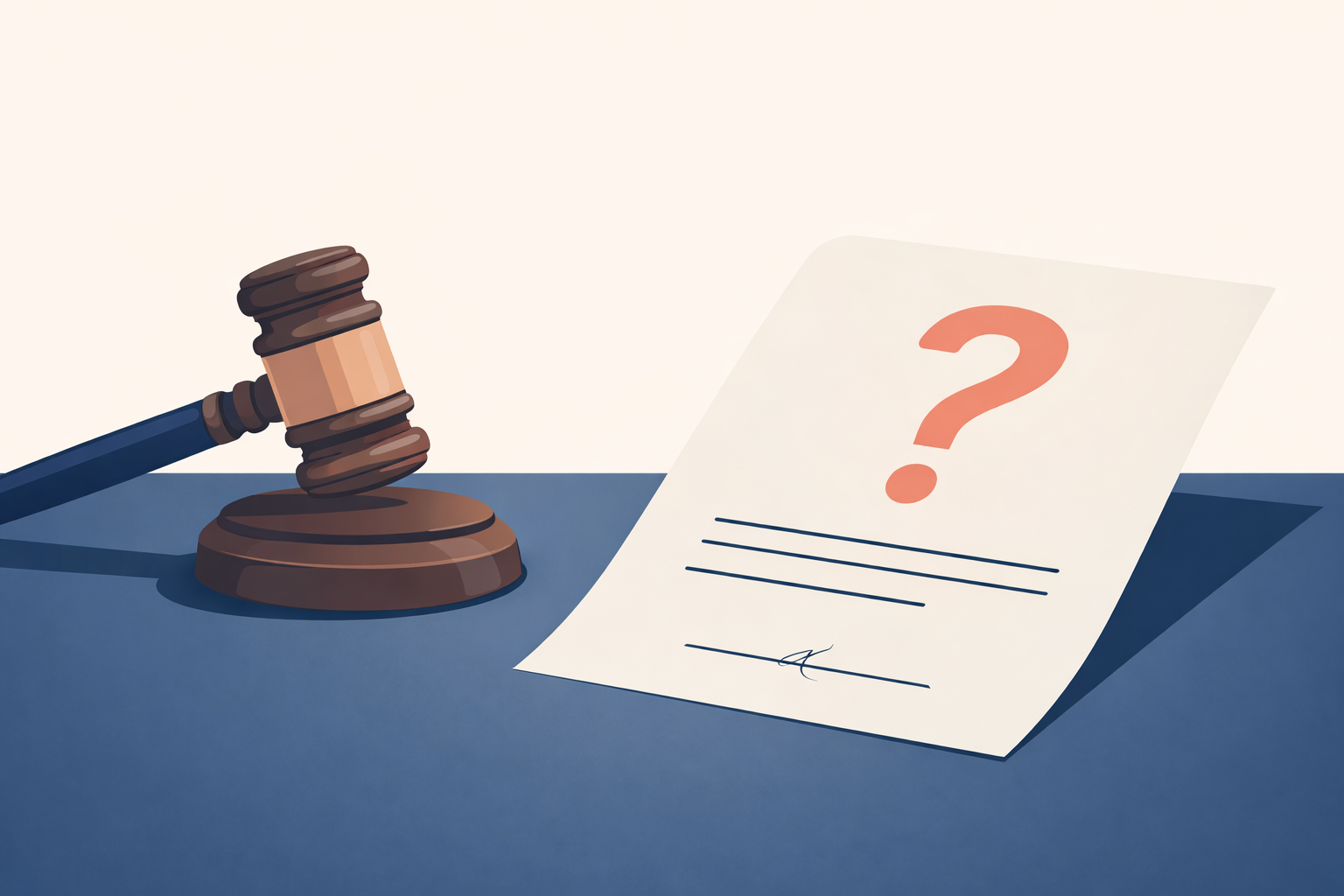
The rule from L'Estrange v Graucob (1934) — that signing a document binds you to its contents whether you read them or not — still exists. But modern courts have moved significantly beyond it. The consistent direction of recent case law is that a signature alone does not make every clause enforceable, particularly where terms are hidden, onerous or unexpected.
The judge found that simply having a signed contract was not enough where an onerous term had not been fairly drawn to the other party's attention. The case reinforced that unusual or burdensome clauses require specific, prominent notice — not just inclusion in a document someone has signed.
The High Court found that the clause was effectively invisible to a reasonable customer navigating the platform's terms. The judgment made clear that burying a term in a long document and obtaining a click-through acceptance does not amount to the customer knowingly agreeing to that specific provision.
The Court of Appeal's decision is particularly significant for financial services firms, confirming that Consumer Duty principles require terms to be actively and clearly communicated — not merely present somewhere in the agreement. A signed finance document did not protect the lender where the customer had no realistic means of understanding what they were agreeing to.
The Court of Appeal's reasoning shifted attention away from whether the client care letter was signed and toward whether the client genuinely understood the basis on which they were being charged. For law firms, the case is a direct signal that a signed engagement letter is not sufficient evidence of informed consent to fee arrangements — particularly where the terms are complex or the client is unfamiliar with legal billing.
The pattern is consistent. Courts are asking a more substantive question than whether a mark was made: did this person have a genuine, informed opportunity to understand and agree to this specific term? Our blog on whether signatures are legally binding and our analysis of the legal difference between e-signatures and informed consent explore this case law in detail.
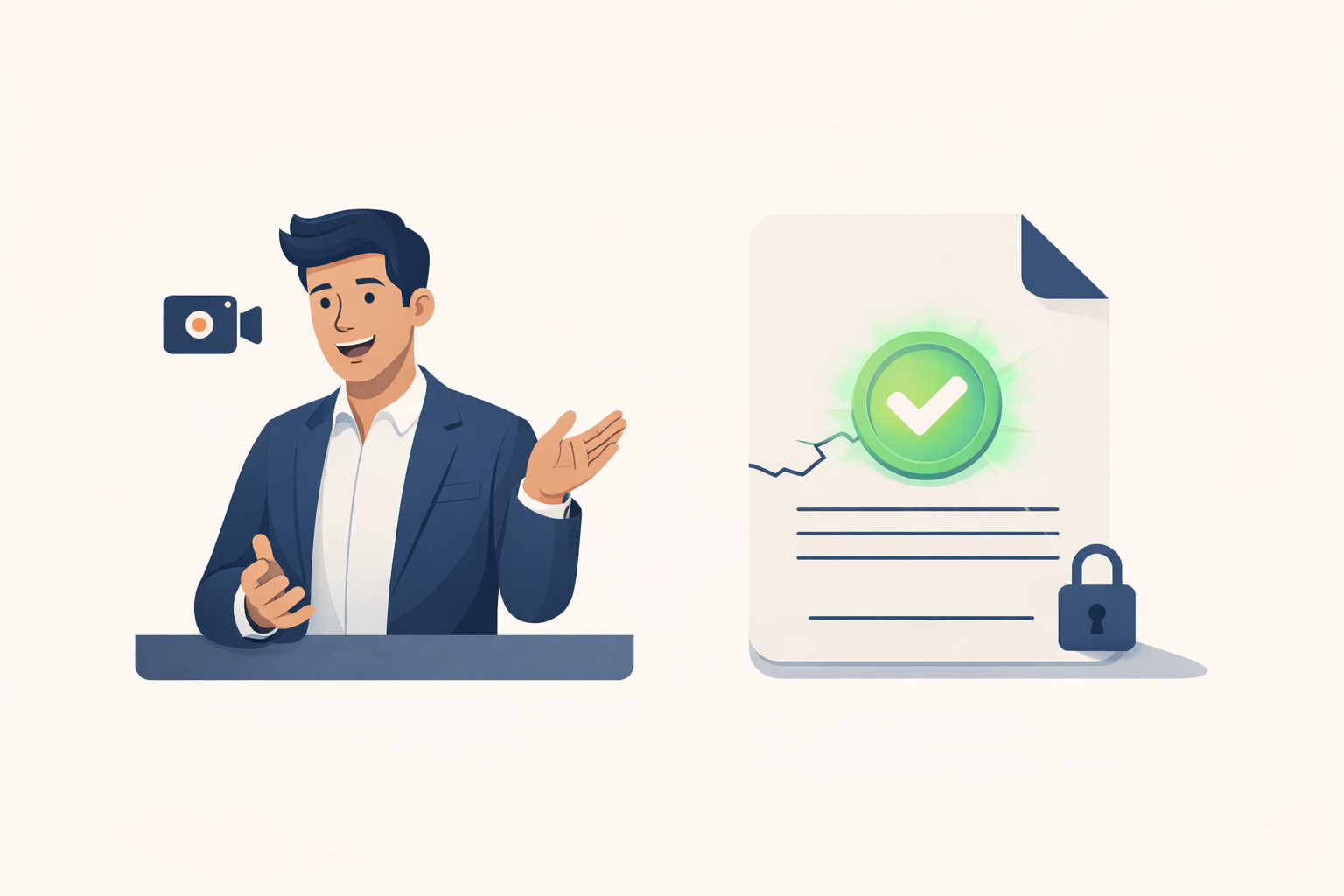
The argument against signatures is not an argument for no verification. It is an argument for verification that actually answers the questions that matter:
Was the person who signed who they claimed to be?
Did they read and understand the document?
Was the document they signed the document now being relied upon?
Can the firm evidence all of the above if challenged?
 i agree is built to answer all four. The consent journey presents key terms in plain English before the full document. Identity is verified through biometric voice and video confirmation rather than an IP address. The client has a logged opportunity to ask questions before confirming. The spoken confirmation is tied to the specific terms of the specific document and cannot be detached and reapplied elsewhere. Every step is timestamped and exportable as a sealed audit trail.
The behavioural science behind the approach matters here too. The production effect — the finding that people retain information significantly better when they say it out loud — means the spoken confirmation step does more than create an evidence record. It actively improves the likelihood the person will remember what they agreed to. Fewer disputes arise when both parties genuinely understood the same thing.
Yes. A signature, wet or electronic, is legally valid in the UK and can create a binding contract. The issue is not legal validity but evidential sufficiency. A signature proves a mark was made. It does not prove the signer read the document, understood it, or was not misled. Courts and regulators are increasingly requiring more than a signature to establish that an agreement was genuinely informed.
A wet signature is a handwritten mark made in ink on paper. An electronic signature is any electronic indication of acceptance — a typed name, a drawn signature, a click of "I agree," or a mark made through a platform like DocuSign or Adobe Sign. Both are legally valid under UK law. Neither proves that the signer understood what they agreed to.
No. Initials prove that a mark was made on each page. They do not prove the page was read or the content was understood. The purpose of initialling each page is to prevent fraudulent substitution of pages after signing, not to demonstrate comprehension.
Only in a limited sense. A witness confirms someone was present and observed the signing. They are not required to check the signer's identity against any official document or to have read the agreement. The witness's own signature is subject to the same limitations as the original signer's.
Generally yes. An autopen replicates a person's handwritten signature using a mechanical arm and a real pen. Courts have generally treated autopen signatures as valid where the person authorised the machine. The debate matters not because it changes the legal answer but because it reveals how much of our attachment to signatures is about performing the physical ritual rather than proving anything meaningful.
The FCA's Consumer Duty requires firms to evidence that customers genuinely understood what they agreed to, not just that they received and signed it. This means presenting information comprehensibly, testing whether communications improved understanding, adapting for vulnerable customers, and maintaining a timestamped record of what was shown and how the customer confirmed their understanding. A signature alone does not satisfy these requirements.
i agree address the problems with signatures?
i agree replaces signature capture with a full consent journey. Identity is verified through biometric voice and video confirmation rather than an IP address. The document is presented in layers with plain English summaries before the full terms. The client has a logged opportunity to ask questions before confirming. The spoken confirmation is tied to the specific terms of the specific document and cannot be reapplied elsewhere. Every step is timestamped and exportable as an audit trail.
If you have more questions, take a look at our full FAQs page where we cover a wider range of topics in more detail. It’s a quick way to find answers and explore other subjects that might be useful to you.