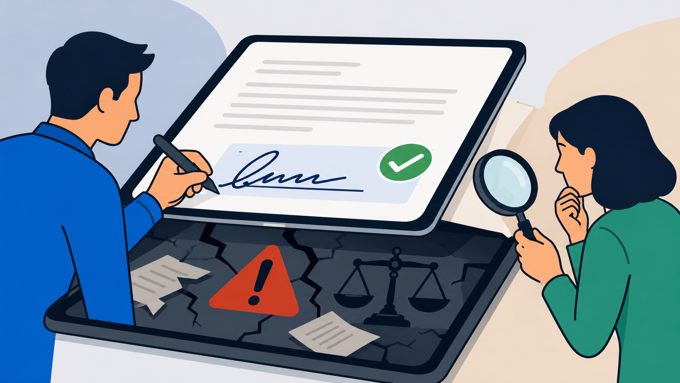
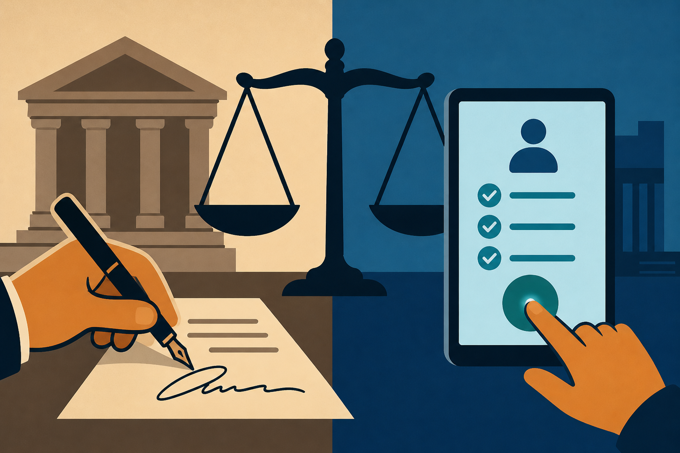
Much of what we do around signatures is ritual rather than verification. The distinction matters because rituals persist long after the logic behind them has stopped applying.
In medieval England, most people could not write their names, so agreements were sealed with wax stamps. As literacy grew, signatures replaced seals, but the underlying purpose remained the same — it was not about reading the words, it was about performing an act that society agreed would carry legal weight. That ceremonial quality never left. Today we still insist on blue ink, require witnesses at signings nobody will ever check, and demand physical signatures on documents where a typed name would be equally valid in law.








 i agree
 i agree
 i agree