Why every e-signature could soon be contestable
e-Signatures
Future of agreements
Legal disputes
19/05/2026
13 min read

04 August 2025
8 min read
The UK’s Financial Conduct Authority (FCA) has raised the bar for customer protection. Under the new Consumer Duty rules, simply collecting a signature is no longer enough – firms must be able to prove that customers actually understood the agreement. This is especially critical for consumers in vulnerable circumstances. “Vulnerable clients” can include people with cognitive impairments, low literacy, major life stresses, or other factors that make it harder for them to understand complex information. The FCA expects firms to support these customers by communicating clearly and providing additional help where needed. In practice, that means:
These principles aim to ensure fair outcomes for all clients. Regulators and professional bodies stress that firms must tailor their communication to each client’s level of understanding – especially for those who are less familiar with legal/financial terms or who might struggle due to vulnerability. In short, the onus is now on businesses to demonstrably help customers understand what they’re signing up for. If a customer with limited understanding is allowed to sign a complex contract without support, the firm may be deemed non-compliant with its duties of fairness and care.
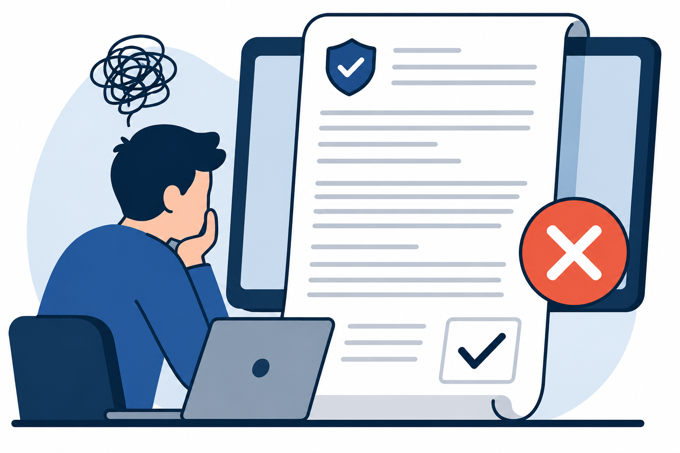
Electronic signature platforms like DocuSign and Adobe Sign have made signing faster and easier, but they were built with speed in mind – not comprehension. Most e-signature tools assume that a signature equals agreement, and they do little to verify whether the signer has actually read or understood the content. This creates a dangerous gap, particularly for vulnerable clients. Common shortcomings of legacy e-sign tools include:
Because of these issues, relying solely on a basic e-signature process can leave firms exposed. The FCA’s own reviews have found that many firms fail to provide accessible communication channels for vulnerable customers, and that there is often a “lack of testing of consumer understanding” in current processes. In other words, if your contract signing method doesn’t accommodate people’s needs or verify their comprehension, it “might raise a red flag” in the eyes of the regulator. Firms risk regulatory breaches, customer disputes, and reputational damage if clients later claim they didn’t realize what they agreed to. A signed PDF is simply not proof of an informed decision.
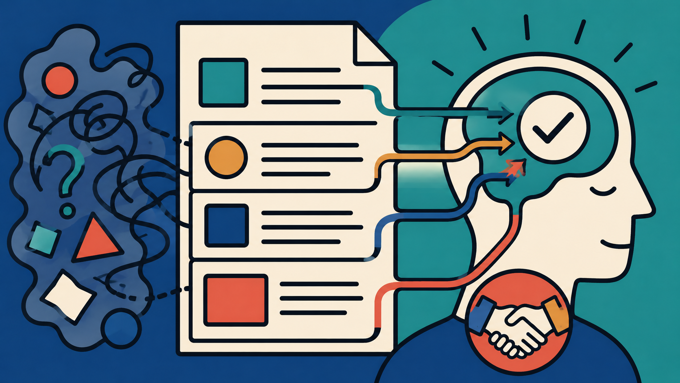
The good news is that the same practices that help vulnerable clients will improve understanding for all clients. Regulators advocate a “universal design” approach – making communications clear and accessible for everyone, rather than treating vulnerability as a special case. In the context of agreements, this means rethinking the signing journey to focus on clarity and consent, not just a quick signature. Key elements of an accessible, compliance-friendly agreement process include:
Designing an agreement flow with these features not only meets the FCA’s Consumer Understanding outcome – it also makes the experience more user-friendly. It treats every client with the assumption that they might need help (without stigma), which aligns with the modern regulatory mindset of inclusivity. Remember that an estimated 91% of people accept terms and conditions without reading them fully. Given that reality, tools and processes that actively promote understanding are no longer just a “nice to have” – they are a compliance imperative.
 i agree meets FCA expectations
 i agree is an example of a platform built around the principles above, aiming to ensure truly informed consent rather than a superficial signature. It was designed by compliance-minded solicitors specifically to address the gaps in traditional e-signing. Here’s how i agree helps firms meet Consumer Duty obligations for all clients – including those who are vulnerable:
By incorporating summaries, videos, interactive prompts and voice confirmations, i agree aligns closely with the FCA’s expectations in Consumer Duty Section 8 (consumer understanding). It directly addresses the mandate to present information “in a way customers can understand” and to support vulnerable customers with additional help or formats. Crucially, these features don’t just protect the customer – they protect the firm. In the event of a complaint or regulator inquiry, a company using i agree can show regulators an evidence trail of informed consent, not just a signed PDF. This drastically reduces the risk of disputes founded on “I didn’t understand what I was signing.”
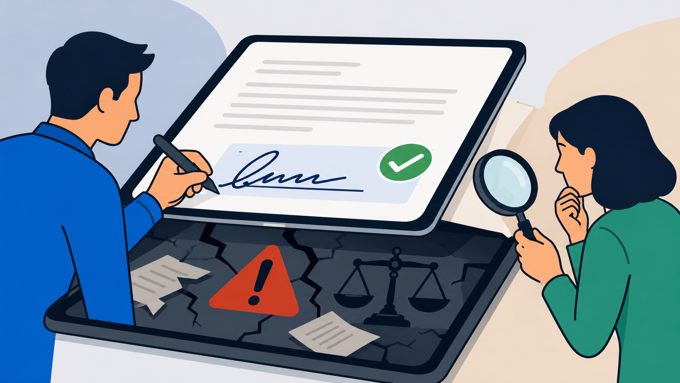
The drive to improve outcomes for vulnerable clients is reshaping how agreements are done. The FCA’s focus is clear: firms must ensure that every customer, regardless of their vulnerabilities, is given a fair chance to understand what they’re signing. Traditional e-signature tools – while convenient – often fail to meet this new standard of care. They capture a signature , but not the understanding behind it.
Compliance officers and legal teams should view the Consumer Duty as an opportunity to upgrade their client experience. By adopting consent-first approaches (like the one used by i agree ), organizations can turn a potential compliance headache into a trust-building exercise. Clients benefit by being better informed and more confident in their decisions; firms benefit by reducing complaints, legal challenges, and regulatory risks.
In the end, treating customers fairly isn’t just about avoiding fines – it’s about doing the right thing and building long-term relationships. A vulnerable customer who feels understood and respected is far less likely to fall into harm, and far more likely to trust your business. The message from regulators is unmistakable: “Clarity first. Consent second.” Only when a client truly understands a contract can we genuinely say they agree. By moving beyond the checkbox mentality and embracing accessible, informed signing practices, firms can meet their regulatory duties and ensure that every agreement is a fair one.
Consumer Duty requires firms to ensure customers understand what they are agreeing to. This means clear communication, accessible formats, and evidence that key terms were explained and understood before consent is given.
Vulnerable clients include people with low literacy, language barriers, cognitive impairments, or life circumstances that affect decision-making. Firms must adapt communication to support these individuals effectively.
Traditional tools focus on capturing a signature, not understanding. They do not check comprehension, offer limited accessibility options, and often rely on dense documents that many users cannot fully process.
Accessible contract design ensures agreements are easy to understand for everyone. It includes plain language, summaries, multiple formats, interactive steps, and support for different needs without requiring users to request special help.
Firms can prove understanding through summaries, confirmations, engagement tracking, and audit trails. These show what the customer saw, how they interacted with the content, and how they confirmed understanding.
i agree help meet FCA expectations?
i agree uses summaries, video explanations, interactive prompts, and voice confirmations to ensure understanding. It also records the full process, providing evidence that supports compliance with Consumer Duty requirements.