Why every e-signature could soon be contestable
e-Signatures
Future of agreements
Legal disputes
19/05/2026
13 min read

14 July 2025
4 min read

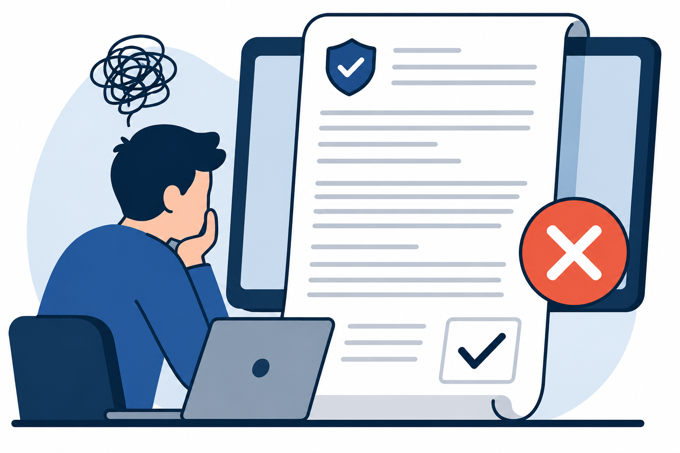
E-signatures have become the default for digital agreements. They're quick, convenient, and legally binding. But while they solve the problem of speed and paperwork, they don't solve a much bigger issue: whether the person signing actually understood what they were agreeing to.
In regulated sectors like law and financial services, this matters more than ever. Compliance requirements are shifting from disclosure to demonstrable understanding. And that’s where traditional e-signature tools fall short.
 i agree different?
There’s no doubt that tools like DocuSign, Adobe Sign, and HelloSign have made contract signing faster and more scalable. In a typical flow:
It’s efficient. But it doesn’t confirm whether the person:
It only shows that they clicked ‘sign’.
In some cases that might be enough. But there are a lot of cases where it definitely isn't
Let’s be clear: e-signatures are legally valid in most jurisdictions, including under UK law and the eIDAS Regulation. That’s not the problem.
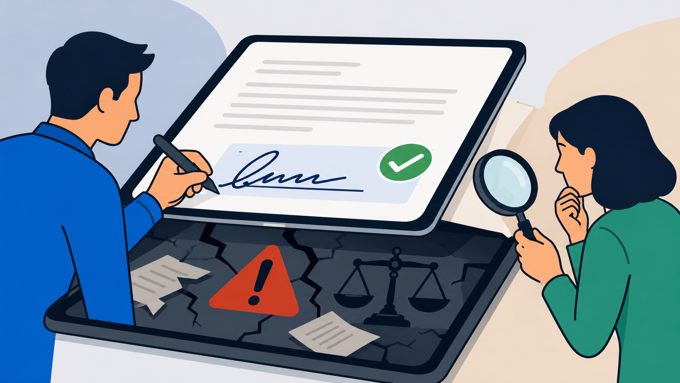
The issue is that in many regulated or sensitive environments,a signature alone doesn’t prove comprehension.
Think of situations where:
In all these cases, simply showing a signature isn't enough. What’s needed is evidence of informed consent.
The risk of misunderstanding isn’t just theoretical. It can lead to:
One high-profile example is the case of Belsner v Cam, which raised serious questions about whether clients truly understood legal fees, even though they had signed.
Across sectors, there’s a growing trend: regulators want proof that clients were treated fairly and that businesses took reasonable steps to ensure understanding.
For example:
In all these cases, a simple e-signature doesn’t tick the box anymore.
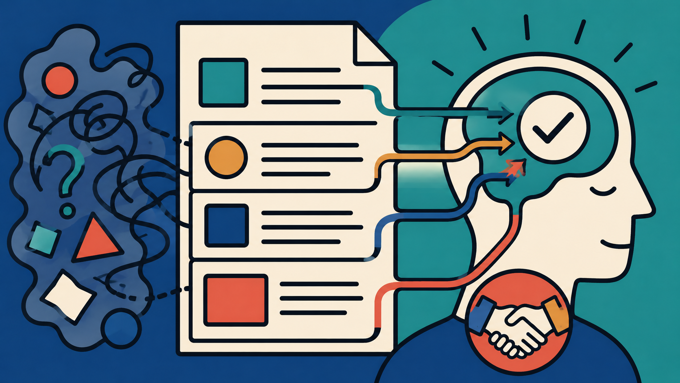
That’s where i agree comes in. Learn how it works. Instead of relying on signatures, it focuses on understanding, intent, and fairness.
Here’s how it works:
The result? A clear record not just of agreement but of informed consent.
You may not need this level of clarity for every contract. But if you’re in a regulated, high-risk, or client-facing environment, it’s worth asking:
If the answer is yes to any of the above, it’s time to look beyond the signature.
i agree different?Unlike traditional e-sign tools, i agree doesn’t treat signing as the end goal. It’s built for firms that want to:
See how we compare with DocuSign and other signature platforms.
The world is moving on from the idea that a signature means someone truly agreed. In a post-Consumer Duty world, firms need to go further — to ensure that people understand, not just accept.
Traditional e-signature tools won’t get you there. But a consent-first approach can.
To learn more about how it works, visit our FAQs or explore how i agree works.
i agree is built for clarity, fairness, and trust — because informed consent should be more than a checkbox.
Yes, e-signatures are legally valid under UK law and eIDAS. However, legal validity only proves that someone agreed. It does not prove they understood the terms. In regulated sectors, firms may need to show evidence of informed consent, not just a signed document.
E-signatures capture an action, not understanding. They do not show whether someone read, processed, or understood key terms like fees, risks, or obligations. This creates a gap between agreement and comprehension, which can lead to disputes, complaints, and regulatory scrutiny.
Misunderstood agreements can lead to complaints, refunds, regulatory breaches, and reputational damage. Customers may claim they were misled, even if terms were technically disclosed. Without evidence of understanding, firms can struggle to defend agreements or demonstrate fair treatment.
Regulators like the FCA and SRA expect firms to ensure customers understand what they are agreeing to. This includes clear communication, accessible formats, and evidence of engagement. The focus has shifted from disclosure alone to demonstrable understanding and fair outcomes.
A consent-first approach focuses on understanding before agreement. It uses plain-language summaries, structured content, and confirmation steps to ensure users engage with key terms. Instead of relying on a signature alone, it creates evidence that the person understood what they accepted.
You should consider alternatives when agreements are complex, high-value, or regulated. This includes legal services, financial products, and client-facing contracts. If misunderstanding could lead to disputes or regulatory risk, a consent-first approach provides stronger protection and better client outcomes.