As courts in Los Angeles question whether social media platforms were deliberately designed to drive addictive behaviour among young users, the role of interfaces is effectively on trial.
From app permissions, gaming platforms, to student loans, student tenancy agreements, all these day-to-day interactions with legal agreements are based on an interface that drives a user journey for that begins in the teenager years. Participation has become effortless. The younger generations are the most exposed and have been let down by the generations that created such systems.
What this blog contains
- The cultural moment: when product design goes on trial
- Why don’t people read terms and conditions?
- The real-world cost of unread clauses
- Consent is a user interface, not a moment of understanding
- What the term “vulnerable” really means:
- Conclusion: it’s time to modernise consent, not just digitise it
- Links and sources
The cultural moment: when product design goes on trial
This trial is a test case about interfaces shaping behaviour.
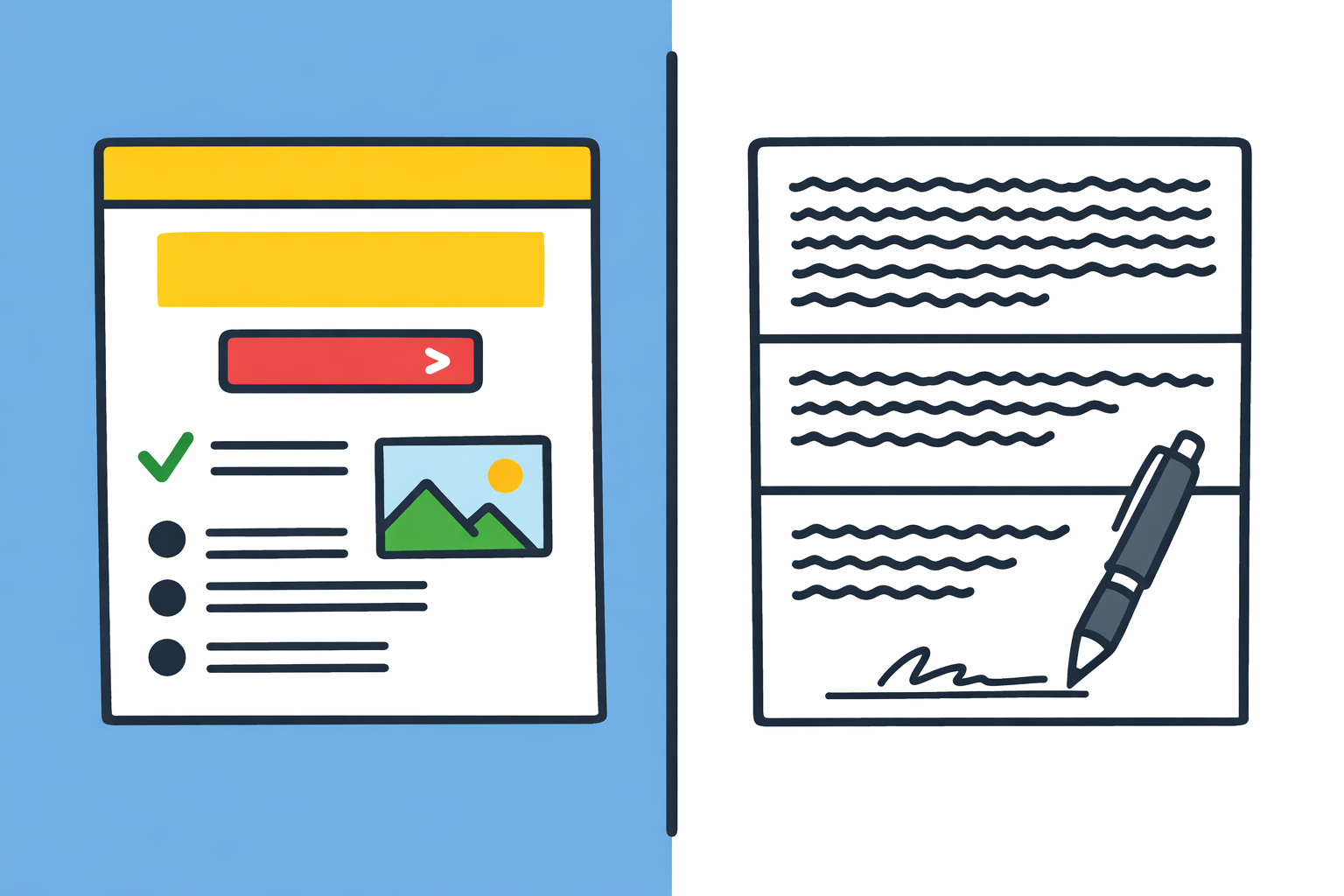
We all use interfaces every day, including the “click-to-accept” experience that turns complex obligations into a single button.
This interface is the same for any generation and is technology that makes it very easy to agree to a contract without having a clue what the actual terms are. The deeper point is not “young people are careless” or “people don’t take responsibility”. The deeper point is that modern systems are often designed to reduce friction, even when the ethical thing to do would be to increase meaningful friction: especially when a decision is high stakes, long term, and difficult to reverse.
Why don’t people read terms and conditions?
Traditional “terms and conditions” are usually written as if the person is seated at a desk, calm, unhurried, motivated and possibly with the benefit of legal advice. The reality is that most users encounter terms on a phone, mid task, often with social pressure, and with a strong sense that reading is not rewarded, because they can’t negotiate anyway. The resulting behaviour is entirely rational: they scroll until the end and click “I accept.”
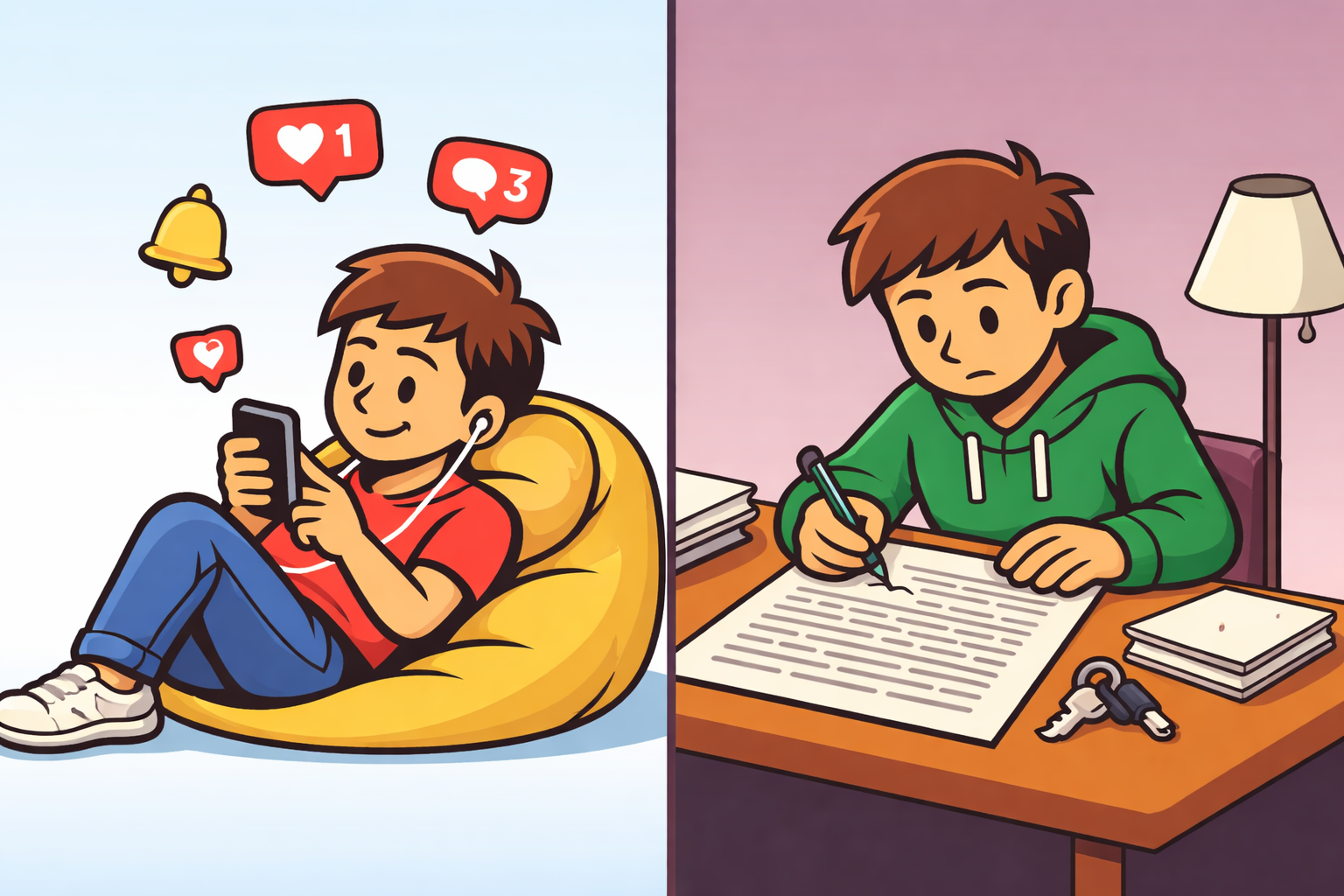
Students and younger adults have grown up inside frictionless digital journeys, one tap for entertainment, one tap for food, one tap for payments. It is unrealistic to expect that the same cohort will seamlessly switch into “slow, legal reading mode” for an unreadable tenancy/loan PDF just as they are about to start university.
The problem is a mismatch between how agreements are drafted (legal first) and how humans actually operate (attention limited, time constrained, context dependent). This is then layered over real-life experiences.
In other words: the system is built for compliance theatre and sales targets, not genuine understanding, and most young people have not been exposed or taught about any alternatives or possible consequences.
The real-world cost of unread clauses
When unread terms go wrong, the consequences vary by sector. For a social media app, the hidden cost is often about data, attention, and time.
For student loans, the ease of acceptance along with the belief that as the other party is effectively the government and therefore the terms will be fair, creates a platform that leads the student to not question any further, and proceed on assumptions.
For a tenancy agreement, the cost is frequently financial, immediate, and emotionally charged: rent, deposits, cleaning, repairs, and the conditions for getting your money back.
Many disputes are driven by expectation gaps. What each party believed or perceived is something that is different from the other party's view. And expectation gaps are exactly what good contract execution should reduce.
Consent is a user interface, not a moment of understanding
The reason the Meta Platforms trial feels so culturally significant is that it reframes harm as a design outcome rather than a user mistake. That same reframing is long overdue for contracts: unread terms are rarely a personal failure; they are a predictable outcome of a badly designed consent journey, that prioritises the execution.
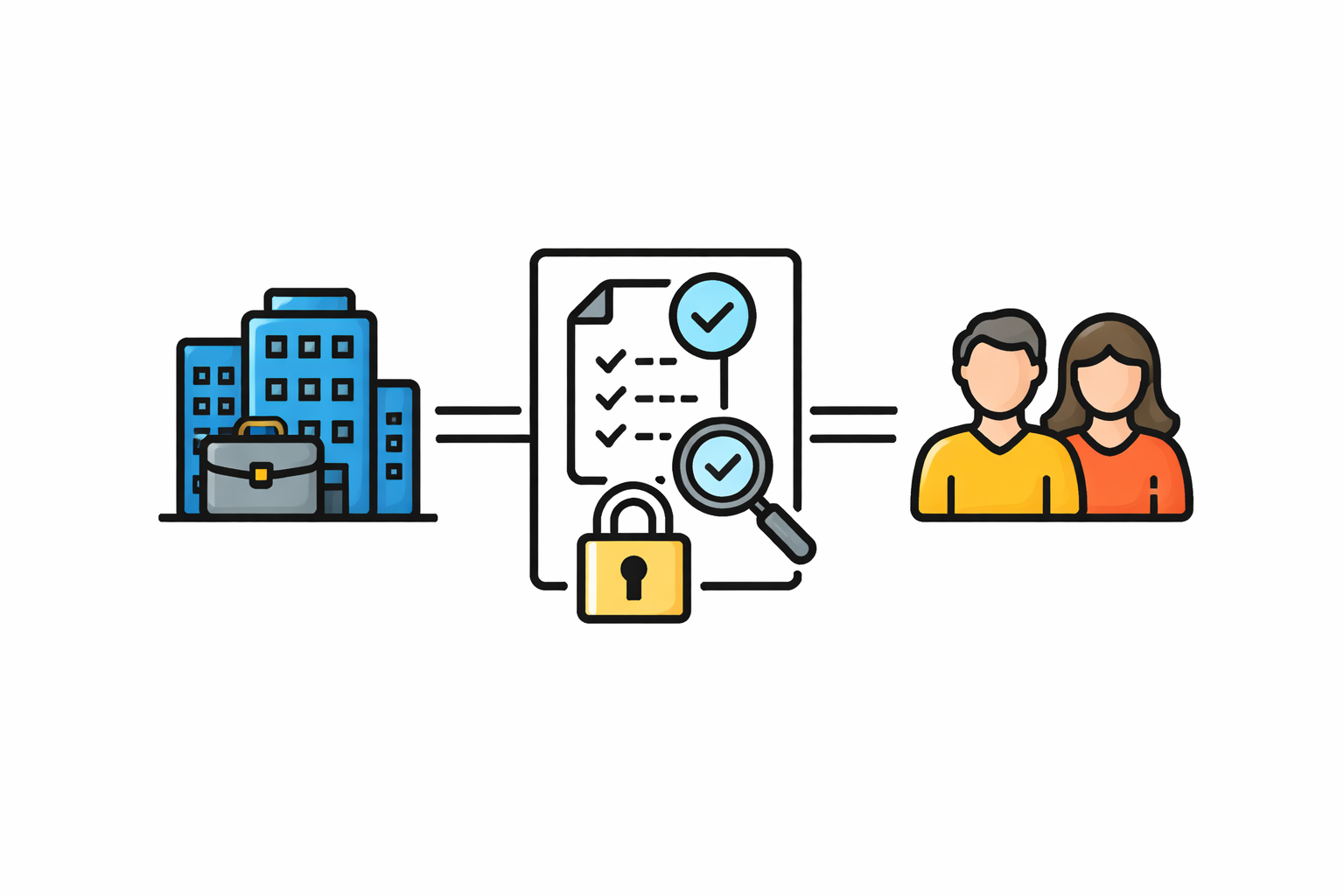
This is the bridge to informed consent in contracts. Informed consent is not magic; it’s a standard. It means the person received information in a form they could reasonably understand, had a real opportunity to engage with it, and agreed knowingly. In complex digital environments, that standard cannot be met by dumping a PDF and calling it “disclosure”.
What the term “vulnerable” really means:
Vulnerability is often defined as someone with low literacy, poor education or health issues, but as you can see from the above, the platforms we all use actually create a new set of digital based vulnerabilities.
The younger generation growing up in the bubble of frictionless consent to the use of their data, their images etc are now moving into an era where their choices have even greater consequences.
Student loans, with complex and possibly life-long payments schemes, can be the first financial decision a young person makes at the age of 17 or 18 years old.
Similarly, tenancy agreements combine: a young cohort (students), high financial stakes (rent/deposits), and predictable dispute patterns (cleaning/damage).
Against the backdrop of the way that they have engaged with information throughout their formative years, are we doing enough to ensure that they are making informed decisions? How will this play out in the future if we don’t make changes now?
Conclusion: it’s time to modernise consent, not just digitise it
The social media trial in California is not only about teenagers and algorithms. It’s a broader signal that society is being shaped by platform design.
For years we’ve digitised agreements without modernising consent. We replaced ink with clicks, then acted surprised when people clicked without reading and agreed to onerous and unfair terms.
Young people have changed the way they communicate with each other, how they are entertained and educated. They don’t know a pre-mobile world. These factors need to be considered and used as inspiration for a new way that embraces, reflects, and inspires new technology.
Links and sources
Internal links
- Informed consent beyond signatures — how
 i agree frames consent as understanding
 - Context contracts — capturing the “why” and “how” behind agreement, not only the final signature
- Reducing complaints and disputes — why clarity up front lowers friction later
- Consumer understanding — a practical framing for preventing avoidable conflict
- How it works — how i agree turns agreements into guided, trackable experiences
- FAQs — common questions about i agree and informed consent
External links
- Sky News explainer — what the LA social media bellwether trial is about and why design is central
- Reuters background — bellwether trial framing and “attention-grabbing design” allegations
- Reuters trial start — allegations explained to jurors and significance for platform design liability
- PBS NewsHour — overview of the trial and the claim that platforms deliberately addict children
- ToS;DR “About” — why the project exists and its claim that most people don’t read the terms they accept
- University of Connecticut article — reporting the “NameDrop” findings on skipping terms and privacy policies
- Eye-tracking study summary — how default presentation changes whether people read privacy policies
- GOV.UK — what should be in a tenancy agreement (rent, deposit, rent review, responsibilities, subletting)
- Citizens Advice — understanding tenancy agreements and deposit information tenants should receive
- Shelter England — tenancy deposit protection rules and what landlords must provide
- Deposit Protection Service — dispute causes with figures for cleaning and damage
- TDS Group Annual Review 2023/24 — dispute categories and resolution outcomes across schemes
- CMA / GOV.UK short guide — unfair terms, transparency, and why terms must not be hidden away
- ICO guidance — the “layered approach” to clear up-front information and deeper detail
- EDPB guidelines — how interface “dark patterns” can steer user choices and undermine meaningful consent
- FTC press release — common dark pattern tactics including burying key terms in dense terms of service
- Law Commission — statement of law on e-signatures and formalities
- GOV.UK — summary confirming electronic signatures are viable alternatives in most cases