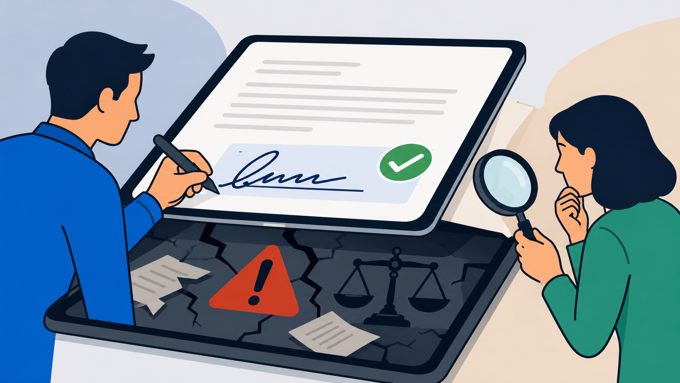
Rising SRA reports show why client understanding matters
Contract News
Recent News
Reducing Disputes
20/05/2026
15 min read

30 September 2024
4 min read
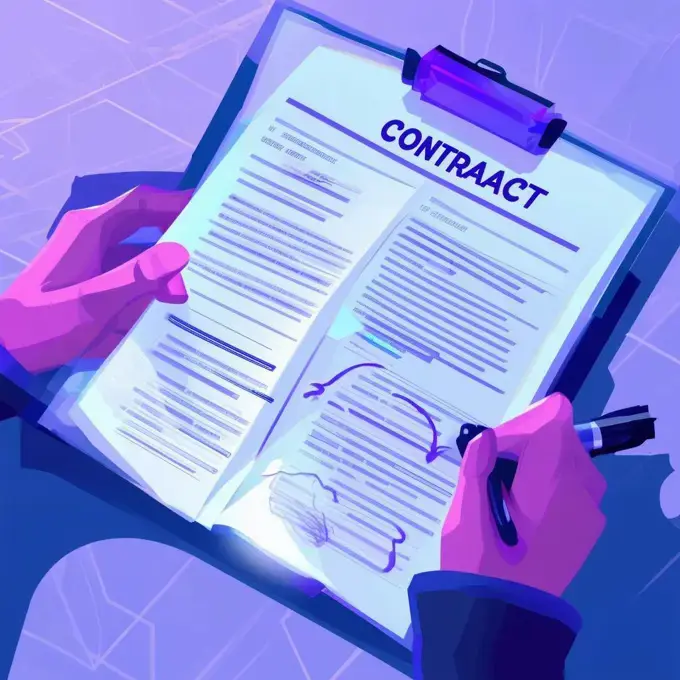
Unlocking the Mysteries of Agreements: What You Need to Know
In the vast landscape of business and personal transactions, agreements are the unsung heroes that keep everything ticking smoothly. Though they might not be the most thrilling part of your day, agreements are essential tools that help ensure everyone plays by the same rules. In this blog post, we’ll take a closer look at the world of agreements—demystifying their role, importance, and how they can be your best ally in both professional and personal endeavors.
At its core, an agreement is a legally binding understanding between two or more parties. It’s like a handshake, but with a bit more paperwork. The purpose? To outline the rights and responsibilities of each party involved, ensuring there’s a clear understanding of what everyone has agreed to. Agreements can be as simple as a written promise to mow your neighbor’s lawn in exchange for cookies or as complex as a multi-million dollar business deal.
While agreements come in all shapes and sizes, most share some common elements that make them legally binding and effective:
Agreements bring order to potential chaos. They provide clarity and security, helping to avoid misunderstandings and disputes. Picture a world where business deals were made on sheer optimism and handshakes—it might work for a while, but eventually, things would get messy.
Moreover, agreements protect your interests. Whether you’re hiring a contractor to renovate your kitchen or signing a lease for a new apartment, having a written understanding ensures that everyone knows what to expect and what to deliver.
Reading an agreement might feel like deciphering an ancient scroll, but it's essential to grasp the basics before putting pen to paper. Here are some tips:
While many agreements are straightforward, some can be labyrinthine. In these cases, enlisting the help of a legal professional can save you from potential pitfalls. Lawyers have a knack for spotting issues that mere mortals might miss, offering peace of mind that your interests are fully protected.
Agreements might not be the most thrilling topic at a cocktail party, but they are vital in our interconnected world. Whether you’re a business mogul or simply someone wanting to keep their dealings above board, understanding the basics of agreements can be immensely beneficial. So next time you see an agreement heading your way, don’t shy away. Embrace it with the confidence that you’re equipped to handle whatever comes your way. After all, knowledge is power—and in the world of agreements, it’s also your best line of defense.
An agreement is a legally binding understanding between two or more parties. It sets out what each side will do, what they will receive, and what is expected. It can be simple or complex, but its purpose is always to create clarity and avoid misunderstandings.
For an agreement to be valid, it typically needs offer, acceptance, consideration, intention, certainty, capacity, and legality. These elements ensure both sides clearly agree, exchange value, and are legally able to enter into the arrangement. Without them, the agreement may not be enforceable.
Agreements provide structure and protection. They make expectations clear, reduce confusion, and help prevent disputes. Whether it’s a business deal or a simple arrangement, having terms written down ensures everyone understands their responsibilities and rights.
Focus on key terms such as payment, timelines, responsibilities, and risks. Take time to read carefully, especially the fine print. If something is unclear, ask questions. Understanding these details helps avoid surprises and ensures you know exactly what you’re agreeing to.
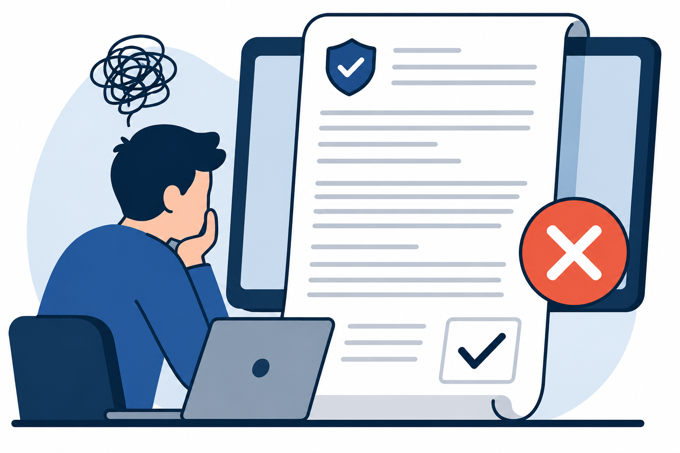
In reality, many people skim or skip agreements, especially when they are long or complex. This can lead to misunderstandings later. That’s why clear language and simple summaries are important, as they help people engage with and understand what they are signing.
You should consider professional advice when agreements are complex, high-value, or unclear. Legal experts can identify risks, explain difficult terms, and ensure your interests are protected. This can prevent costly mistakes and give you confidence before signing.