Why every e-signature could soon be contestable
e-Signatures
Future of agreements
Legal disputes
19/05/2026
13 min read

02 December 2025
9 min read
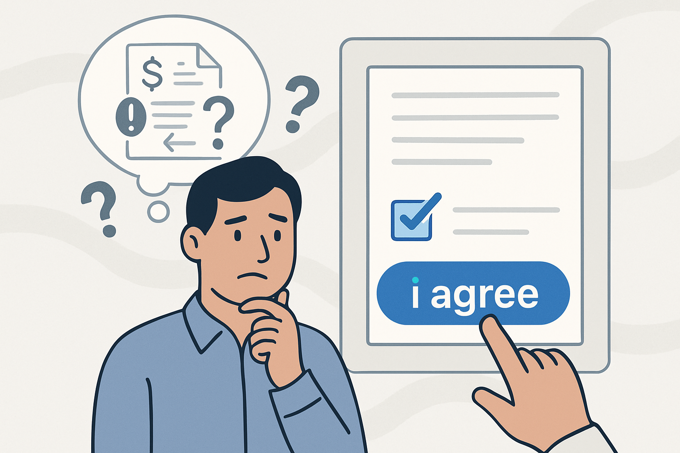
For years, digital agreements have been celebrated for their speed—click, sign, done. But beneath the efficiency lies a growing problem: people often don’t truly understand what they’ve agreed to. Hidden fees, confusing renewals, and unclear cancellation rights fuel disputes and erode trust. As regulators demand clearer communication and customers expect transparency, the future of agreements can’t just be about faster signatures—it must be about informed consent. That’s where  i agree steps in, reshaping contracts into experiences people can actually comprehend, and proving not just acceptance, but understanding.
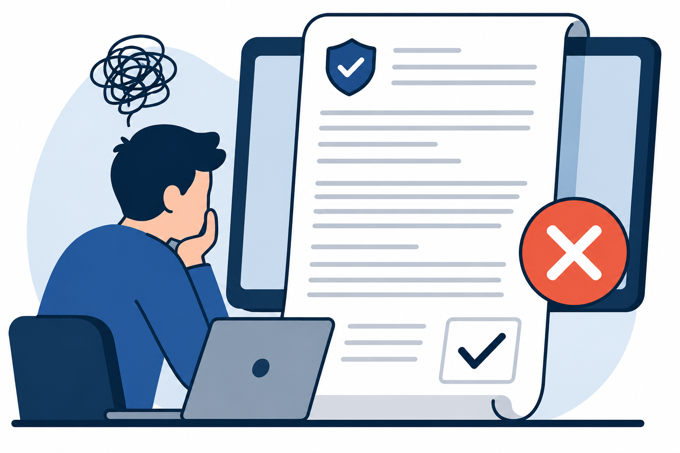
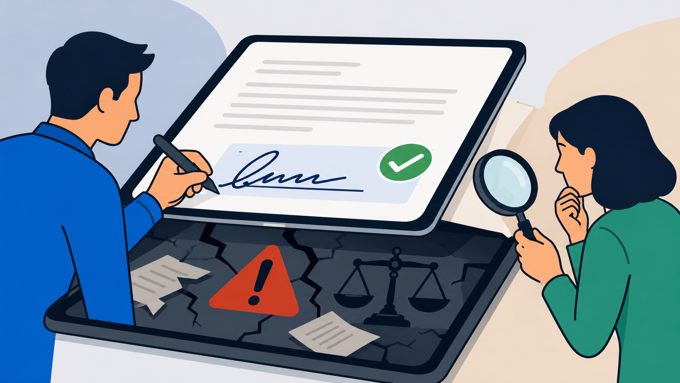
i agree makes understanding verifiableWe optimised agreements for speed, and somewhere along the way we lost the plot. Most digital experiences treat agreement as a moment to rush through: click here, accept there, maybe skim a PDF. The friction is gone, but so is the context. People say “yes” to things they don’t fully understand, and businesses celebrate conversion while quietly absorbing the future cost of complaints and disputes. There’s a deeper tension at play. Acceptance is easy to capture; comprehension is hard to prove. A signature—or a tickbox—creates a record of the event. It doesn’t show whether the person grasped how renewal works, what fees apply in month three, or when they can cancel without penalty. When expectations and reality diverge, both sides feel misled, even if the text technically covered it. That gap is where trust erodes. This isn’t about demonising e-signatures. They modernised paperwork and reduced administrative pain. It’s about recognising their limit: a fast “yes” without confident understanding is brittle. The future belongs to agreements designed for what actually matters—people knowing what they’re signing up for, with proof they genuinely understood it.
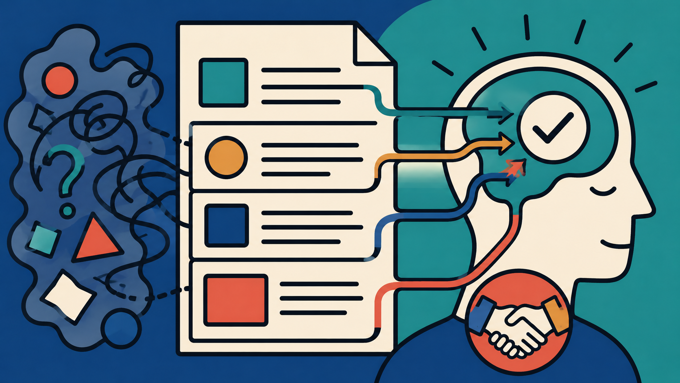
Informed consent reframes the goal: from capturing agreement to enabling understanding. At its core, informed consent means people know the meaning and consequences of the commitments they’re making. In a digital context, it’s not a legal checkbox; it’s a communication standard. It asks a few simple questions: did we explain the material terms clearly? Did we present them at the right moment? Did the person demonstrate they understood? The word “material” matters. Not every clause has the same weight. People need clarity where outcomes change—money, time, data, rights, recourse. These aren’t “nice-to-know” details; they define whether an agreement feels fair and how well it holds under stress. If someone remembers one thing weeks later, it should be the truly consequential parts. Digital informed consent leverages format, timing, and participation. Format means offering concise text with the option to go deeper, plus audio or video for those who learn differently. Timing means presenting explanations at the decision moment, not buried pages away. Participation means inviting the person to confirm in their own words—short and human—what they’ve understood. That confirmation isn’t a test; it’s a safeguard for both sides.
i agree makes understanding verifiable i agree is built on a simple belief: comprehension should be demonstrable. The platform guides people through the terms that matter most using plain language. It offers layered explanations, so nobody is stuck with dense clauses or forced to accept a shallow summary. Crucially, it captures a short voice or video confirmation, transforming passive acceptance into active proof of understanding. This proof unlocks a different kind of audit trail. Instead of “signed at 14:02,” the record shows what was explained, which prompts were asked, and how the person confirmed they understood fees, renewals, cancellation rights, or data use. For teams handling complaints or regulatory queries, it turns a stressful search into a confident response: here’s what we told them, here’s what they acknowledged. Because context changes meaning, i agree supports sequencing terms in the order decisions are made. The agreement flow can follow the customer journey rather than the legal document structure, clarifying interdependencies that static PDFs obscure. That shift—context first, clause second—makes comprehension feel effortless rather than laborious. If you want to see how this works end-to-end, take a look at the walkthrough in How it works; and for principles behind the design, see Our principles. For a deeper look at why understanding, not signatures, is the differentiator, explore Informed consent: understanding beyond signatures.
Compliance isn’t just about having the right clauses—it’s about proving fair, clear communication. Regulators increasingly emphasise consumer outcomes, transparency, and accessibility of information. In that landscape, the ability to demonstrate that people genuinely understood material terms isn’t a nice touch; it’s a strategic advantage. Trust follows the same pattern. When people feel in control, they make better decisions and remain more loyal, even when things go wrong. A consent-first approach prevents the most common flashpoints—surprise fees, confusing renewals, unclear cancellation windows, opaque data practices—by making them explicit and memorable. The argument isn’t that disputes vanish; it’s that fewer begin with misunderstanding, and the ones that do resolve faster because the record is strong. If your teams deal with complaints, this will sound familiar. A significant share comes down to misaligned expectations. Clear, well-placed explanations, plus verifiable confirmation, are the simplest way to reduce that burden. For more on this outcome-focused lens, see Consumer understanding reduces disputes and complaints.
Plain language is the start. Design is the difference. Writing clearly matters, but comprehension lives or dies by structure and timing. People understand best when information maps to decisions. Put renewal mechanics where commitment is confirmed. Put fees where payment is decided. Put cancellation rights where change is most likely. Align the flow with how choices are made, not how clauses are numbered. A consent-first agreement begins with the outcomes that matter: what you’ll pay, what you’ll receive, how long it lasts, how to leave, and what happens if something fails. It then layers explanations. A short summary in everyday language; optional details for those who want nuance; quick audio or video for those who process better by listening or watching. This isn’t dumbing down. It’s meeting people where they are. Then comes participation. Ask the person to confirm understanding on the few points that most often cause friction. Keep it short and specific—“I understand how renewal works,” “I know the cancellation window,” “I’m clear on the fees after the trial.” When the confirmation is spoken rather than clicked, it strengthens memory and creates a clearer record. That simple moment changes the whole tenor of the agreement. For context-sensitive agreement thinking, explore Context contracts. It’s a powerful way to reframe contract design around real decisions rather than static text.
Adding voice and video doesn’t complicate agreements—it humanises them. A short audio confirmation captures something written text can’t: how someone explains in their own words what they’ve understood. It’s efficient, natural, and more memorable. For higher-stakes or vulnerable contexts, video adds tone, guidance, and presence. It’s particularly useful when demonstrating care is as important as demonstrating compliance. The key is keeping the prompt simple and material. Ask about the two or three topics most likely to drive complaints if misunderstood: fees, renewal cadence, how to cancel, where data goes. Encourage natural language, not legal recitation. The objective isn’t perfection; it’s clarity. These records need to be retrievable at speed. i agree structures consent evidence so teams can answer the crucial questions fast: what was explained, how, and how did the person confirm? That retrieval efficiency matters as much as capture; otherwise, consent sits in a vault nobody can practically use. If you want to think ahead about voice and video consent trends, see Future of agreements with voice and video consent in the UK.
It’s not a binary choice—it’s matching the method to the moment. Traditional e-signatures are ideal for routine, low-risk agreements where terms are familiar and stakes are small. They’re fast, standardised, and well-integrated across business systems. Use them where they shine. Informed consent belongs where outcomes are complex, ambiguous, or high-impact. If money changes hands in non-obvious ways, if commitments renew, if data use is nuanced, if rights or recourse depend on timing or behaviour—consent-first flows create resilience. Many organisations adopt a hybrid model: explain and confirm the material terms using i agree, then execute the formal signature through the standard contract stack. That approach elevates comprehension without disrupting downstream processes. Over time, you may find the consent-first step reduces friction so effectively that it becomes the default for any agreement with meaningful outcomes. The measure isn’t theoretical: fewer complaints, faster resolutions, and stronger regulator confidence speak for themselves.
Start small, pick your pressure points, and iterate. Begin with the agreements that generate the most confusion. Identify the clauses that repeatedly cause friction—fees after discounts, auto-renewals, cancellation windows, liability limits, data-sharing. Rewrite the material terms in everyday language. Then design the flow around decisions: place explanations at the moments of choice, not in an appendix. Create layered content: a clear summary, optional details, and short audio or video. Draft two to four confirmation prompts focused on the points that drive complaints. Pilot this with a subset of customers and measure what matters: completion with confirmation, where people hesitate, which terms stimulate questions, and what happens post-agreement—complaints by topic, ticket volume, resolution speed. Train your frontline teams. If sales and support understand the consent-first approach, they’ll reinforce it in conversations and remove ambiguity before it hardens into dissatisfaction. Align legal and customer experience so enforceability and clarity rise together. The aim isn’t to replace rigour with friendliness; it’s to combine both. As you scale, ensure consent evidence is easy to retrieve. Index records by topic—fees, renewal, cancellation, data—so teams can respond to queries in minutes, not days. This operational detail is where theory becomes practice. If you want a concise orientation to the philosophy behind these steps, see Our principles, and for a platform overview, explore How it works.
Digital agreements don’t have to choose between speed and fairness. We can keep the efficiency gains of e-signatures while insisting on human clarity where it counts. When people understand material terms—and when you can prove they did—everything downstream improves: fewer disputes, faster resolutions, stronger compliance posture, and trust that lasts beyond the moment of acceptance. That shift is practical, not theoretical. It’s a decision to design for understanding and to capture it in ways that are verifiable, respectful, and easy to use. That’s what i agree was built to do: turn agreements into clear commitments between people, not just records of a click. When comprehension becomes the standard, signatures stop being the whole story—and start being the final step in a process that stands up under pressure.
i agree i agree“I agree” shows that a client accepted something, but it does not prove they understood it. For law firms, the real risk is whether the client understood costs, scope, risks, and responsibilities before agreeing.
Clients often sign without reading because legal documents are long, complex, and difficult to understand. Many also trust that the terms are standard, or feel pressure to move forward without asking questions.
Misunderstandings create expectation gaps. A client may later say they were not told about fees, exclusions, delays, or risks. Even if the information was in the document, the firm may struggle if it cannot show clear explanation.
Informed consent means the client understood the key information before agreeing. This includes the scope of work, likely costs, risks, options, and consequences, explained in a way the client could reasonably understand.
Law firms can prove understanding by keeping a clear record of what was explained, what questions were asked, and what the client confirmed. Summaries, videos, acknowledgements, and audit trails can all support this evidence.
Clearer communication reduces complaints, disputes, and time spent resolving misunderstandings. It also builds trust, improves client relationships, and helps firms show regulators that clients were treated fairly and properly informed.